Choose LangGraph when your development team needs direct control over agent state, node logic, and routing in code. Consider Dify when visual workflow configuration, plugins, and documented self-hosting better match the team's maintenance skills. These are different forms of customization; neither is established as the most customizable platform in every dimension.
Dify's workflow canvas supports nodes, variables, branches, and model configuration. Its plugin system separates tools, model providers, and agent strategies, allowing different extension types to address different needs. An extension point does not mean every model or tool works without adaptation. Self-hosting offers deployment configuration, but it does not establish that model inference stays local or that operation has no cost.
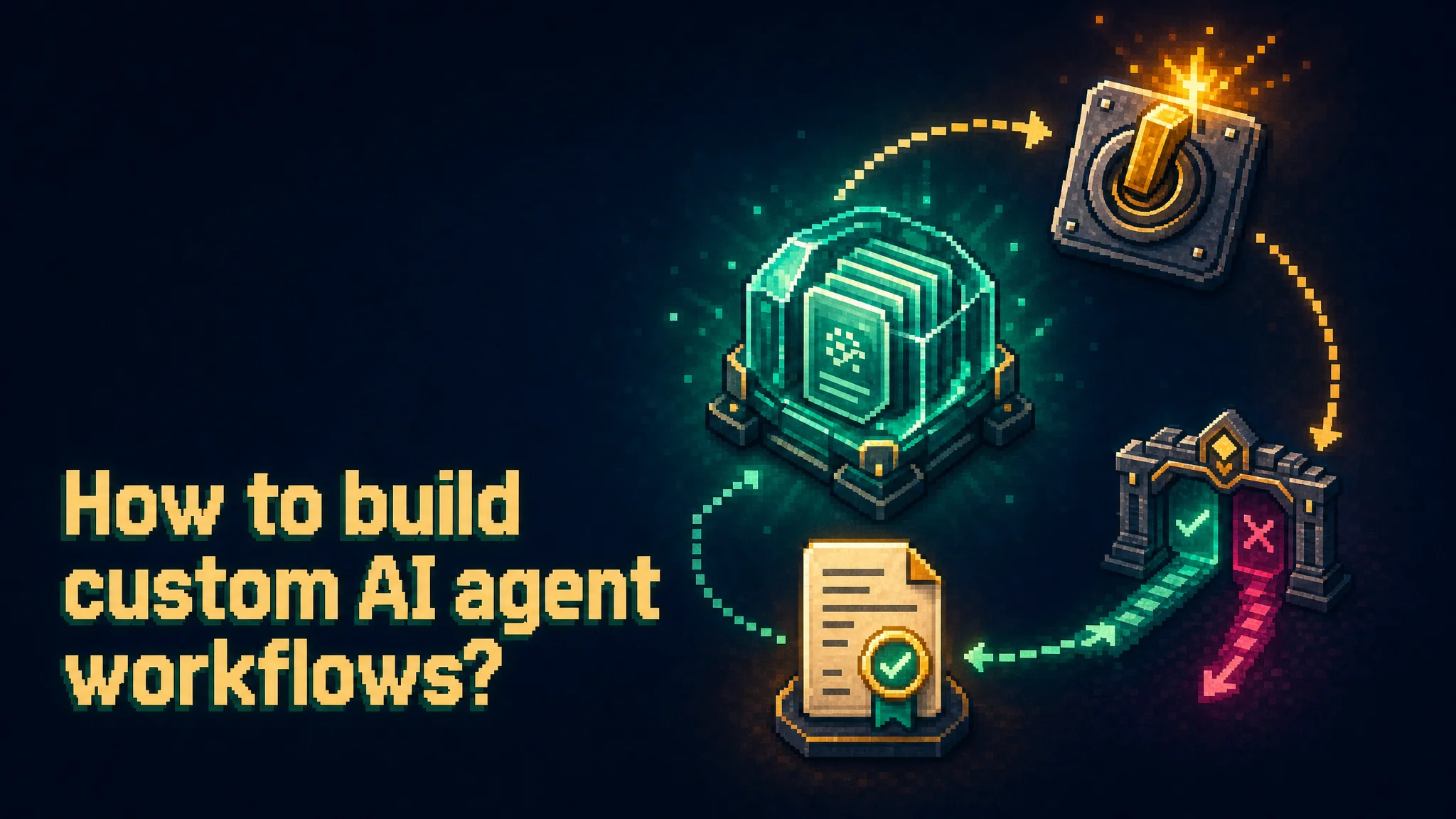
LangGraph is a lower-level orchestration framework and runtime. Developers define state, nodes, and edges and can combine deterministic code with model-driven steps. Its interrupt mechanism supports explicit pause-and-resume points for human input when checkpointing and thread identity are configured. The developer must place those controls correctly; an available interrupt function is not automatic approval enforcement for every dangerous action.
Write down the customization you actually need: a new tool, a different reasoning loop, a business-specific state transition, or a human approval checkpoint. Implement one representative case before selecting the platform. Compare maintenance effort, deployment responsibilities, and how clearly failures can be diagnosed. Choose the level of control your team can sustain, and separately verify licensing, access management, and data-handling requirements that are not answered by the customization feature list.
Source: Dify, Plugin types; Dify, Quick start; LangGraph, Overview; LangGraph, Interrupts.
Product or protocol details checked: 2026-09-14.